A Great Fried Egg
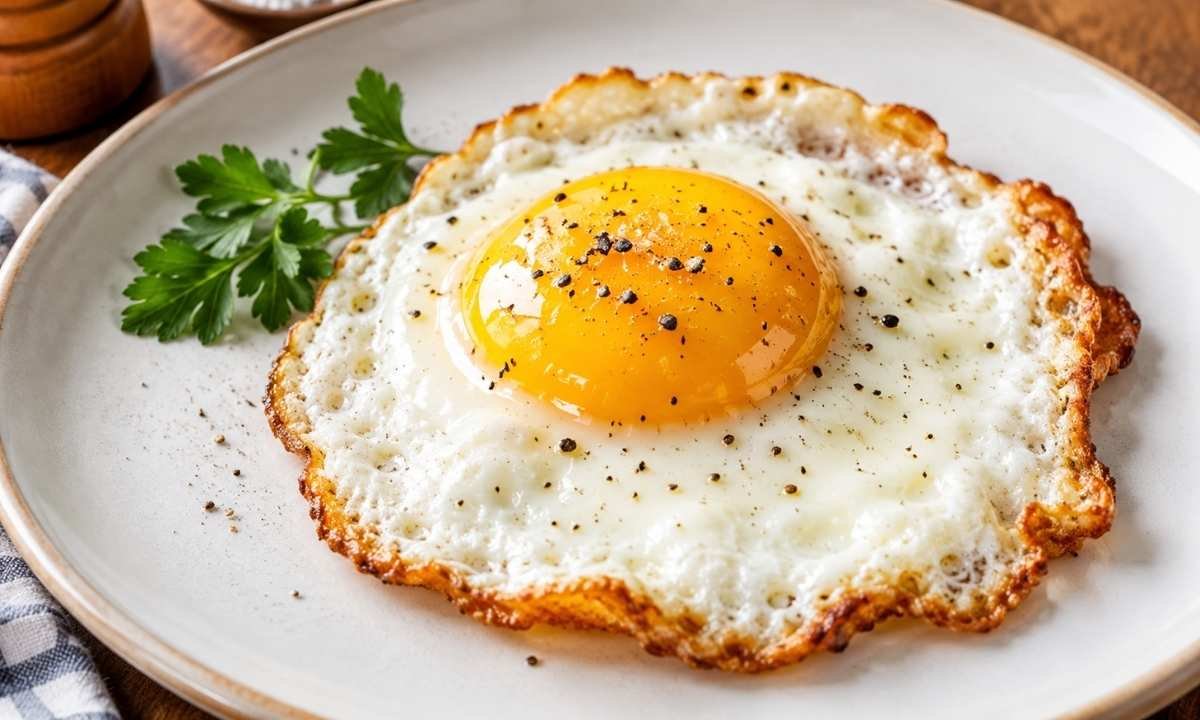
To fry a great egg, melt a little butter in a skillet over medium-low heat, then crack in a fresh egg. Cook for two to four minutes, until the white is fully set and the yolk stays glossy.
Overview of Making a Great Sunny-Side-Up Fried Egg
A sunny-side-up egg is cooked on one side only, so the yolk stays liquid and bright. The method is simple, but small details decide the result. Heat control and timing matter most, and the sections below cover both.
The basic sequence is short. Warm the pan, add fat, crack the egg, and cook gently until the white sets. A lid or a spoonful of hot fat helps the top of the white cook without flipping the egg.
Making a Great Fried Egg
The most common mistake is cooking the egg too hot. High heat browns the bottom quickly and turns the white rubbery, while the top stays raw. Gentle heat lets the whole white set evenly around the yolk.
Start with a clean, dry pan. Water on the surface spatters in hot fat and cools the pan unevenly. Wipe the skillet and set it on the burner, then let it warm for a minute before adding any fat.
Fat also matters. Butter gives flavor and lightly crisp edges, while a neutral oil tolerates higher heat. Use about one teaspoon per egg in a nonstick pan, and a bit more in stainless steel or cast iron.
Cracking technique protects the yolk. Tap the egg on a flat countertop rather than the pan rim, which pushes shell fragments inward. Open it close to the pan or into a small bowl, so the egg lands gently.
Add the egg once the butter has melted and the foam begins to settle. Waiting too long can scorch the butter and darken the underside, which changes both the color and the taste of the finished egg.
Fresh Eggs are Best

Fresh eggs hold their shape in the skillet. The white stays thick and gathers tightly around the yolk, while older eggs spread into a thin, watery sheet. The yolk of a fresh egg also sits taller and rounder.
To check freshness at home, place the egg in a bowl of cold water. A very fresh egg sinks and lies flat. An older egg tilts or stands upright, and one that floats should be discarded immediately.
Interesting Tidbits about Eggs
- Shell color depends on the breed of hen and does not change flavor or nutrition.
- Yolk color reflects the hen’s diet, not freshness or quality.
- Commercially sold eggs in the United States are washed and refrigerated, while eggs in many other countries are sold unwashed and unrefrigerated.
- Egg white turns opaque as its proteins set, so a clear white means the egg is undercooked.
Choosing Your Skillet
A nonstick skillet is the easiest choice for fried eggs. The coating releases the egg cleanly with minimal fat, so the yolk stays intact when you slide it onto the plate. It is forgiving for beginners.
| Skillet | Best for | Notes |
|---|---|---|
| Nonstick | Beginners | Avoid high heat and metal tools |
| Cast iron | Crisp edges | Needs good seasoning and preheating |
| Carbon steel | Crisp edges | Needs seasoning, heats quickly |
| Stainless steel | Experienced cooks | Needs more fat and careful heat |
Pan size affects how the egg spreads. A pan that is too large lets the white run thin and cook unevenly, while a pan that is too small crowds the egg against the sides. Eight inches suits a single egg.
Cast iron and carbon steel produce crisp, lacy edges, but they need a well-seasoned surface and a little more fat. Stainless steel works with practice. Whichever pan you use, keep it clean, because stuck-on residue makes eggs tear.
Finding the Right Level of Heat
Medium-low is the right setting for most stoves. The butter should melt and foam gently without browning. When the egg hits the pan, you should hear a soft sizzle, not a loud crackle. Stoves vary, so trust your eyes.
If the white bubbles violently and browns within seconds, the pan is too hot. Lift it off the burner for a few seconds, then return it at a lower setting. Gas and induction respond faster than electric coils.
| What you see | Likely cause | Fix |
|---|---|---|
| Brown, bubbly edges in seconds | Pan too hot | Lower the heat |
| Clear white after four minutes | Heat too low | Raise slightly and cover |
| Egg sticks | Dirty pan or too little fat | Clean the pan, add fat |
| White spreads thin | Older egg | Use a fresher egg |
How Long to Cook the Egg?
A sunny-side-up egg takes about two to four minutes over medium-low heat. You are done when the white is opaque and no clear, jiggly layer remains near the yolk. The yolk should still wobble when you shake the pan.
| Style | Cooking plan (approximate) | Yolk |
|---|---|---|
| Sunny-side up | 2 to 4 minutes, no flip | Liquid |
| Over easy | Flip, cook about 15 seconds | Liquid |
| Over medium | Flip, cook about 45 seconds | Soft and jammy |
| Over hard | Flip, cook 1 to 2 minutes | Fully set |
A lid shortens the time and cooks the top of the white with steam. Add a teaspoon of water to the pan, cover for about a minute, and check. This works well if you dislike any translucent white.
Remove the egg just before it looks finished. Residual heat from the pan keeps cooking the white for several seconds, and a quick slide to the plate stops that. Leaving it in the pan firms the yolk.
Types of Fried Eggs
Fried eggs differ mainly in how the yolk is finished. Each style below uses the same pan and the same fat, so you can switch between them by changing only the flip and the timing.
- Sunny-side up: cooked on one side with a liquid yolk and a set white.
- Over easy: flipped briefly so the yolk stays liquid under a thin film.
- Over medium: flipped and cooked longer for a soft, jammy yolk.
- Over hard: flipped and cooked until the yolk is fully set.
- Basted: cooked with hot butter spooned over the top, no flip.
- Crispy edged: cooked in a little more oil over medium heat for lacy, browned edges.
When flipping, slide the spatula fully under the egg and turn your wrist in one confident motion. Hesitation tears the yolk. Over easy needs only a few seconds on the second side to set a thin film.
Basted eggs deserve a mention for anyone who dislikes flipping. Tilt the pan and spoon hot butter over the white until it sets. The result is a soft, tender top, with no turning and no translucent white.
How to Keep Fried Eggs Separated in the Skillet
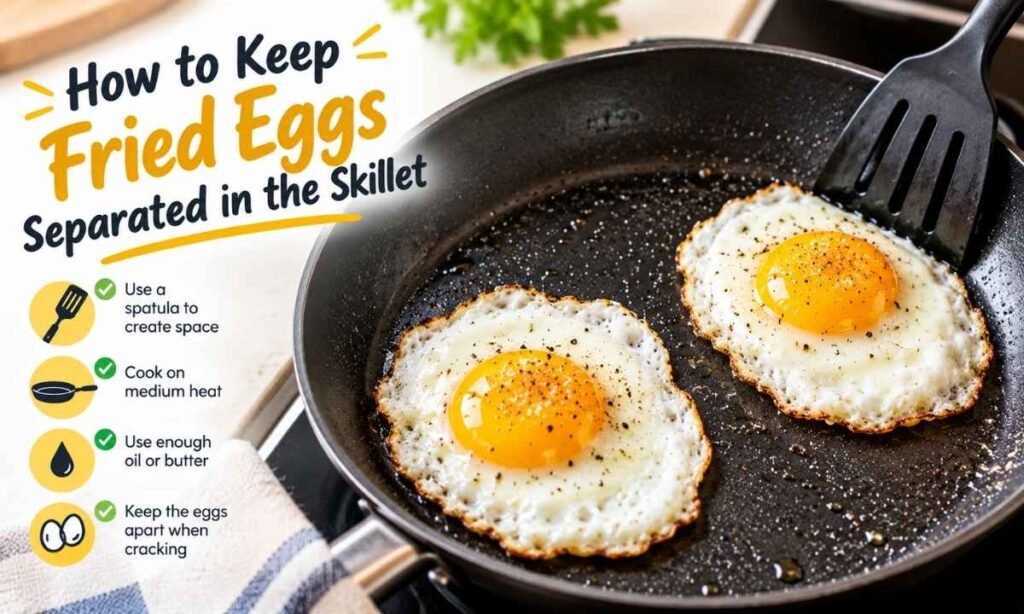
Cooking several eggs at once is easy if you plan their positions. Use a skillet at least ten inches wide for two or three eggs, and keep the heat low so the whites spread slowly.
- Crack each egg into its own small bowl first.
- Slip the eggs into opposite sides of the pan, leaving about an inch between them.
- Use similar sized eggs so the cooking times match.
- For larger batches, cook in rounds or use a second pan.
If two whites do touch, let them set for about thirty seconds, then cut between the eggs with the edge of a thin spatula. Doing this early keeps the yolks centered and the edges neat.
Enjoying a Great Fried Egg
A fried egg works well on buttered toast or over warm rice. Season it with salt and pepper after cooking for the cleanest flavor. A runny yolk acts as a built-in sauce for whatever sits underneath.
Runny yolks carry a small risk of foodborne illness. The USDA advises cooking eggs until the yolk and white are firm, especially for children, older adults, pregnant people, and anyone with a weakened immune system.
Recipe for a Great Fried Egg
Follow these steps for one egg, and read the ingredient table at the end of this page before you begin. The method works with any skillet, though nonstick gives the most forgiving result for beginners.
- Heat an 8 to 10 inch nonstick skillet over medium-low heat for one minute.
- Add the butter and swirl until it melts and foams lightly.
- Crack the egg into a small bowl, then slide it into the pan.
- Cook for 2 to 3 minutes, until the white is opaque. If the top looks translucent, add the water and cover for 30 to 60 seconds.
- Season with salt and pepper, then slide the egg onto a plate with a spatula.
A Great Fried Egg
This recipe makes one sunny-side-up egg in about four minutes. Use the amounts below and scale them up in the same ratio, as long as the skillet has enough room to keep each egg separate.
- Yield: 1 egg
- Total time: about 4 minutes
- Best pan: 8 inch nonstick skillet
Ingredients US Customary / Metric
| Ingredient | US Customary | Metric |
|---|---|---|
| Large egg | 1 | 1 |
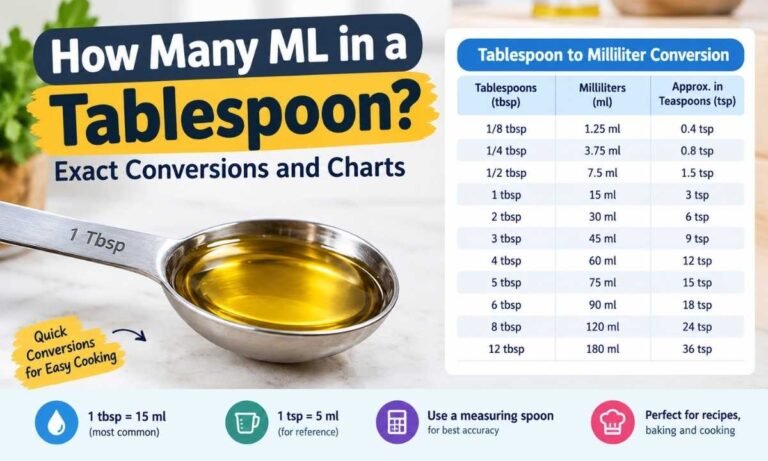
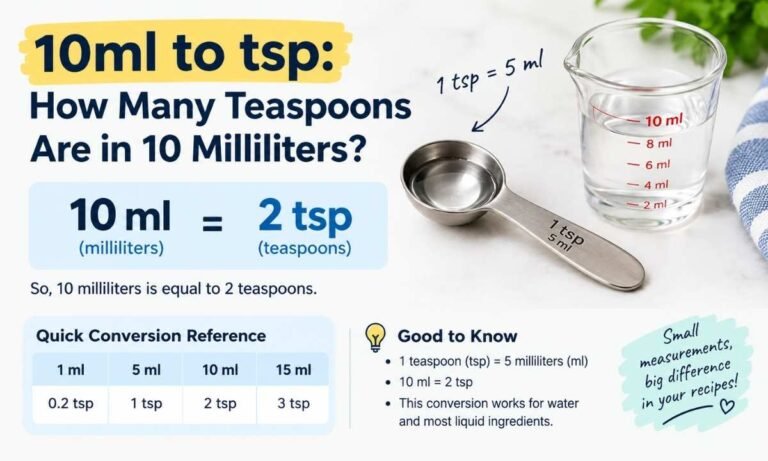
| Unsalted butter or neutral oil | 1 teaspoon | 5 g or 5 ml |
| Salt | 1 pinch | 1 pinch |
| Black pepper | To taste | To taste |
| Water (optional, for steaming) | 1 teaspoon | 5 ml |
Salted butter also works. If you choose it, season the finished egg lightly and taste before adding more salt. A neutral oil is a fine substitute if you prefer a lighter flavor or want to avoid browned milk solids.
Frequently Asked Questions
How long does it take to fry an egg?
A sunny-side-up egg takes two to four minutes over medium-low heat. Flipped styles need an extra 15 seconds to two minutes.
Should I use butter or oil?
Either works. Butter adds flavor, while neutral oil handles heat slightly better.
Why does my fried egg stick to the pan?
The pan is usually dirty, underheated, or short on fat. Clean it, preheat briefly, and add a little more fat.
Why is the top of the white still clear?
The heat is likely too low. Cover the pan with a teaspoon of water for about a minute.
Do I need to flip a sunny-side-up egg?
No. It is cooked on one side only, so the yolk stays bright and liquid.
Is a runny yolk safe to eat?
It carries a small risk. Cook the egg until firm for higher-risk groups, or use pasteurized eggs.
Conclusion
A great fried egg depends on fresh eggs and patient heat. Choose a pan that releases cleanly, cook gently until the white sets, and adjust the finish to your preferred yolk. A few practice rounds will make the timing automatic.